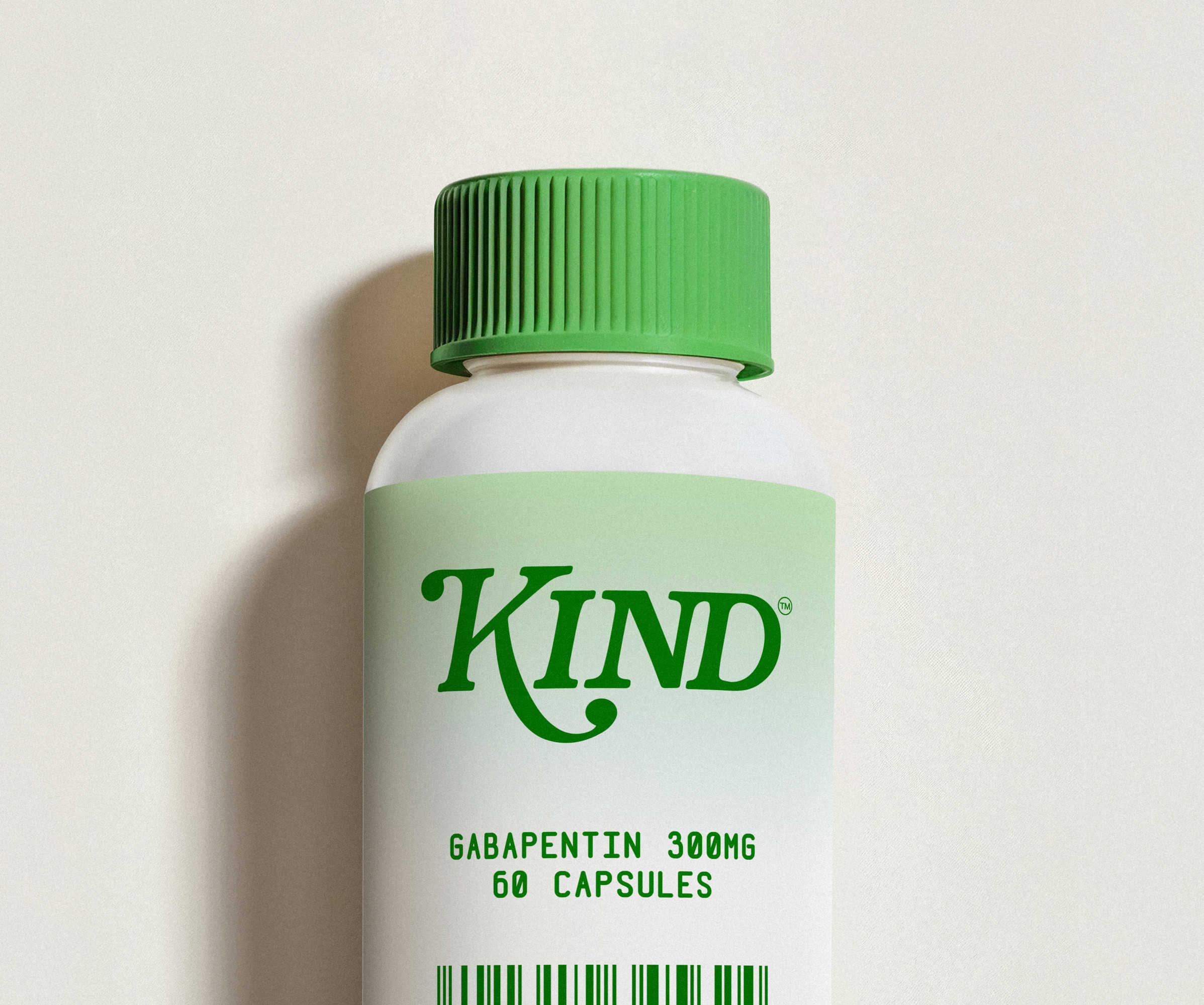
Gabapentin is a prescription medication originally developed to treat seizures that is now widely used off-label to manage nerve pain, anxiety, and sleep problems. It works by calming overactive nerve signals in the brain and body, which is why doctors prescribe it for such a wide range of conditions. In mental health care, gabapentin is most often used to help ease anxiety symptoms and support better sleep, sometimes alongside other treatments.
- Gabapentin was FDA-approved for seizures and nerve pain, but it’s commonly prescribed off-label for anxiety and sleep issues.
- It works by reducing abnormal electrical activity in the brain and calming overactive nerve signals.
- Gabapentin is not a controlled substance in most states, but it can still cause dependence with long-term use.
- It typically takes several days to weeks to notice the full effects, depending on the condition being treated.
- A psychiatric provider can determine whether gabapentin fits into your treatment plan alongside other medications or therapy.
What Is Gabapentin Used For?
Gabapentin has both approved and off-label uses. Doctors prescribe it for its calming effect on the nervous system, which makes it helpful for a variety of conditions beyond its original purpose. You can learn more about gabapentin and how it fits into different treatment plans.
Off-label use is when a doctor prescribes an FDA-approved medication for a condition it wasn’t originally approved to treat, based on clinical evidence and experience. This is common in psychiatry and is legal and safe when guided by a licensed provider.
- Seizure disorders (epilepsy): Gabapentin’s original FDA-approved use, helping control abnormal brain activity that causes seizures.
- Postherpetic neuralgia: FDA-approved for nerve pain that lingers after a shingles infection.
- Anxiety disorders: A common off-label use to help reduce excessive worry and physical tension.
- Insomnia: Often prescribed off-label to help people fall and stay asleep.
- Restless leg syndrome: Used off-label to reduce uncomfortable leg sensations that disrupt sleep.
- Alcohol withdrawal support: Sometimes used to ease withdrawal symptoms under medical supervision.
Gabapentin is also sometimes combined with other medications, such as Lamictal or Buspirone, to better manage mood or anxiety symptoms. The right combination depends on a person’s specific diagnosis and treatment history.
How Does Gabapentin Work in the Brain and Body?
Gabapentin is a medication structurally similar to the neurotransmitter GABA that calms overactive nerve signals without directly binding to GABA receptors. Instead, it works by affecting calcium channels in nerve cells. This action reduces the release of certain chemicals that cause excess electrical activity in the nervous system.
This is different from how traditional anti-anxiety medications work. Gabapentin is not a benzodiazepine, meaning it doesn’t act on the same brain receptors as drugs like Xanax or Valium. Instead, it slows down overactive signals in a gentler, more indirect way.
This mechanism explains why gabapentin is useful across such different conditions. Whether it’s calming the nerve pathways involved in seizures, reducing nerve pain signals, or easing the physical symptoms of anxiety, the underlying process is similar. It reduces excess excitability in the nervous system rather than targeting one specific condition.
What Is Medication Management in Mental Health?
Medication management is the process of a healthcare provider prescribing, adjusting, and monitoring psychiatric medications to ensure safety and effectiveness. It’s not a one-time decision but an ongoing process that evolves as your symptoms and needs change. This is especially important with medications like gabapentin, which can require dosage adjustments over time.
For gabapentin specifically, medication management involves tracking how well the dosage is working, watching for side effects, and checking in on overall symptom improvement. Because gabapentin’s effects can build gradually, regular follow-ups help providers make informed adjustments instead of guessing.
KIND’s telehealth model allows patients to access this kind of ongoing care remotely. Instead of taking time off work or arranging transportation, patients can check in with their provider from home. This makes it easier to stay consistent with follow-ups, which is one of the most important parts of safe medication use.
If you’re wondering whether gabapentin or another medication could help with your anxiety or sleep concerns, KIND’s psychiatric providers can walk you through your options. Schedule an appointment with Kind or call us at (469) 817-5554.
Gabapentin vs. Other Anxiety and Sleep Medications
Gabapentin is one of several options doctors consider for anxiety and sleep issues. Each medication works differently and carries its own risks and benefits. The right choice depends on your specific diagnosis, medical history, and how your body responds to treatment.
| Medication | Dependence Risk | Onset Time | Typical Use |
|---|---|---|---|
| Gabapentin | Low to moderate with long-term use | Days to a few weeks | Nerve pain, anxiety, sleep support |
| Xanax (benzodiazepine) | High, especially with regular use | 30 to 60 minutes | Short-term, acute anxiety relief |
| Buspirone | Low | 2 to 4 weeks | Ongoing, daily anxiety management |
| Trazodone | Low | 30 to 60 minutes | Sleep support, often for insomnia |
No single medication works best for everyone. A psychiatric provider will look at your symptoms, history, and any other medications you take before recommending the best fit.
What Are the Side Effects and Risks of Gabapentin?
Like any medication, gabapentin comes with possible side effects and risks. Most are mild, but it’s important to understand what to watch for.
- Drowsiness: One of the most common side effects, especially when starting treatment.
- Dizziness: Can affect balance, especially when standing up quickly.
- Fatigue: A general feeling of low energy that may improve over time.
- Coordination problems: Some people notice unsteadiness or clumsiness.
- Mood changes: Less common, but should be reported to a provider right away.
- Breathing problems: A serious risk when gabapentin is combined with opioids or other sedatives.
- Withdrawal symptoms: Stopping gabapentin abruptly can cause anxiety, insomnia, or in rare cases, seizures. It should always be tapered off under medical guidance.
Because of these risks, gabapentin should always be taken exactly as prescribed. Any concerning symptoms should be discussed with a provider as soon as possible.
Is Gabapentin Right for You? What to Expect From Treatment
A psychiatric evaluation is the best way to determine if gabapentin fits your symptoms and medical history. During this evaluation, a provider will ask about your current symptoms, past medications, and any other health conditions. This helps build a treatment plan tailored to your specific needs rather than a one-size-fits-all approach.
KIND’s telehealth appointments make it easy to discuss medication options from home. You can talk openly with a provider about your symptoms, ask questions about gabapentin or alternative treatments, and get personalized recommendations without needing to visit an office in person.
Ongoing follow-ups ensure the medication is working safely and effectively. If you’re not sure where to start, you can take our self-assessment to get a clearer picture of your symptoms, or schedule an appointment with KIND to speak directly with a psychiatric provider.
Get Started with Kind Today
If anxiety, sleep problems, or nerve-related symptoms are affecting your daily life, a psychiatric provider can help you understand whether gabapentin or another treatment is the right fit. Getting a proper evaluation is the first step toward finding relief that actually works for your situation.
KIND provides evidence-based psychiatric care through secure telehealth appointments. Our services include comprehensive psychiatric evaluations, medication management, therapy, and ongoing support – all designed with personalized treatment plans that fit your schedule and lifestyle. We accept most major insurance plans and offer flexible scheduling including evenings and weekends. Please call us at (469) 817-5554, schedule an appointment, or take a short online assessment to learn more and explore treatment options.